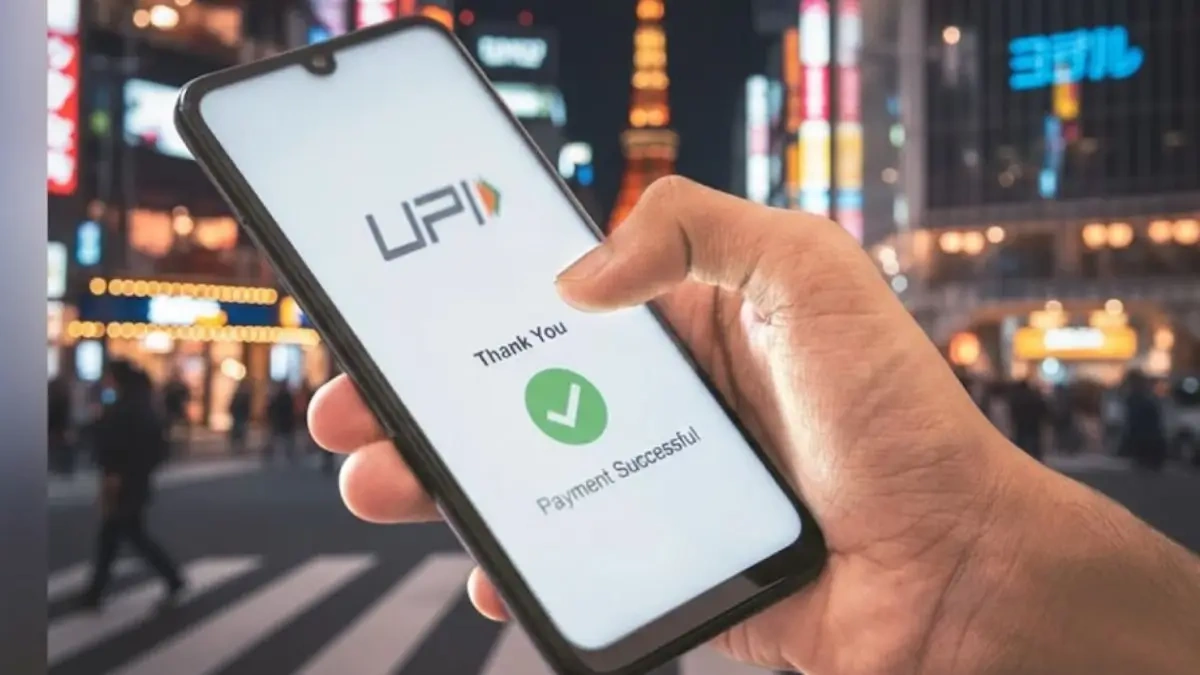
Imagine paying for your morning coffee in Paris with the same UPI app you use back home in India. Sounds futuristic? Well, the Reserve Bank of India (RBI) is taking a giant leap to make this a reality. They’re working on linking our beloved Unified Payments Interface (UPI) with Europe’s instant payment network. But, why should you, sitting in your cozy corner of India, even care? Let’s dive in.
The “Why” | Why This Matters More Than You Think
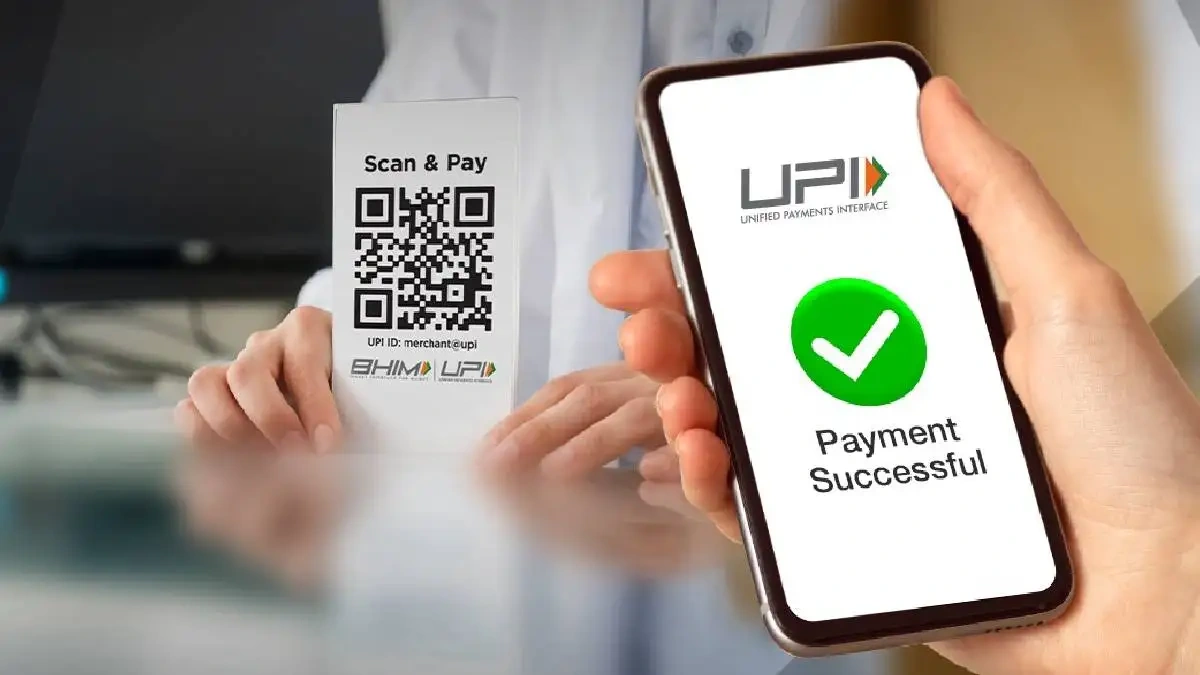
Here’s the thing: this isn’t just about making your vacations easier. It’s a strategic move that could reshape India’s financial landscape and boost its global influence. Think of it as UPI going global. For years, we’ve been hearing about India’s growing digital economy. But, to truly flex its muscles, it needs to connect with the world. This initiative is a huge step in that direction. It means easier transactions for Indian tourists and students abroad, increased opportunities for cross-border trade, and a stronger presence for Indian fintech companies in the European market. A common mistake I see people making is thinking this only benefits those traveling abroad. It’s way bigger than that. This move can potentially reduce the reliance on traditional payment systems like SWIFT, giving India more control over its financial interactions with Europe.
But, there’s more. India has been a leader in fintech innovation, especially with digital payments . Connecting UPI with Europe allows India to showcase its technological prowess on a global stage. It’s like saying, “Hey world, look what we can do!” This move could encourage other countries to adopt similar systems, potentially leading to a more interconnected and efficient global payment ecosystem. And that, my friends, is a game-changer.
The “How” | Understanding the Nuts and Bolts
Okay, so how exactly will this work? While the specifics are still being ironed out, the basic idea is to create a bridge between UPI and the European instant payment system. This will involve technical integrations and regulatory agreements between the RBI and its European counterparts. Here’s the thing: it’s not as simple as plugging two systems together. There are issues of security, data privacy, and compliance to consider. As per the guidelines mentioned in the information bulletin , both systems must adhere to international standards and ensure seamless interoperability. But the potential payoff is huge. Imagine a European tourist visiting India. They can use their local payment app to pay for goods and services, and the Indian merchant receives the payment instantly through UPI . No more fumbling with foreign currency or complicated exchange rates. It’s a win-win for everyone.
This is also a boost for Indian businesses, especially SMEs involved in cross-border trade. It can simplify the payment process, reduce transaction costs, and improve cash flow. A common mistake I see people make is underestimating the power of a streamlined payment system. It can unlock new opportunities and drive economic growth. And, let’s be honest, who doesn’t want that? You absolutely must double-check the security features on your mobile payment app, to make sure all transactions are safe and secure.
The Emotional Angle | A Story of Empowerment
Let’s be honest, when we talk about financial systems, it often feels dry and technical. But behind all the jargon and acronyms, there’s a human story. This initiative is about empowering individuals and businesses, especially in India. It’s about giving them more control over their finances and making it easier to participate in the global economy. Think about the small artisan in Rajasthan who wants to sell their handicrafts to customers in Europe. With a seamless payment system, they can reach a wider audience and grow their business. Or the Indian student studying in Germany who can easily receive money from their family back home. It’s about connecting people and creating opportunities, one transaction at a time.
What fascinates me is the potential for this to level the playing field. For too long, international finance has been dominated by big banks and complex systems. UPI offers a more accessible and democratic alternative. It puts the power in the hands of the people, allowing them to transact directly with each other, regardless of borders. That moment of panic when you are unable to send money to a loved one in another country? We’ve all been there, and UPI is set to change it.
The Future is Now | What’s Next for UPI?
So, what’s next? The RBI is working closely with various stakeholders to implement this initiative. This includes banks, payment service providers, and regulatory bodies. It’s a complex process, but the goal is clear: to create a secure, efficient, and interoperable payment system that connects India with the rest of the world. As per the latest circular on the official RBI website , the initial focus will be on linking UPI with select European countries. But the long-term vision is to expand this network to include other regions as well. This could potentially lead to a global UPI network, making it easier than ever to send and receive money across borders.
The development is related to the instant payment systems , which have been gaining traction worldwide. And the integration of UPI , with European networks, could potentially revolutionize the way international transactions are done. If you’re planning a trip to Europe, make sure to check if your UPI app is compatible with the local payment systems. This could save you a lot of hassle and make your trip more enjoyable. And be on the lookout for new updates and features as UPI continues to evolve.
UPI | A Made-in-India Solution for the World
Let me rephrase that for clarity: India has created something truly remarkable with UPI . It’s a home-grown solution that has transformed the way people transact in India. And now, it’s ready to take on the world. Connecting UPI with Europe is not just a technological achievement; it’s a statement of intent. It’s about India asserting its position as a global leader in fintech and innovation. It’s about empowering its citizens and businesses to participate in the global economy on their own terms.
This isn’t just about payments; it’s about building bridges, fostering collaboration, and creating a more interconnected world. And that, my friends, is something worth celebrating. In the bigger picture, it could also lead to more favorable exchange rates for Indian users in the long run. The global expansion of UPI is something to look forward to. Here’s more about Indian tech companies .
For more information, you can check out the official website of the National Payments Corporation of India (NPCI) NPCI , the organization behind UPI .
FAQ About UPI and European Integration
Will my current UPI app automatically work in Europe?
Not necessarily. Your bank or payment provider will need to enable international transactions for your UPI app. Check with them for details.
What are the potential fees for using UPI in Europe?
Fees may vary depending on your bank and the specific payment system used in Europe. Check with your provider for a breakdown of charges.
Is it safe to use UPI for international transactions?
UPI is generally considered safe, but always be cautious when transacting online. Use strong passwords and be wary of phishing scams. The digital payment platform adheres to international security standards.
What if I encounter issues while using UPI in Europe?
Contact your bank or payment provider for assistance. They should be able to help you resolve any technical issues or payment disputes.
Will this make Forex cards obsolete?
Not entirely. Forex cards still offer certain advantages, such as fixed exchange rates and offline access. However, UPI could become a more convenient and cost-effective alternative for many travelers.
The integration of UPI with the European payment networks is a monumental step forward and is an example of how innovative technology can be used to bridge gaps and connect people on a global scale.